
The Development Process From a coffee stain on a napkin to a global launch, we map the chaos.
This isn't a linear assembly line. It's a structured exploration of playable chaos. We don't just build games; we curate an environment where creativity is forced to collide with technical reality at every stage.
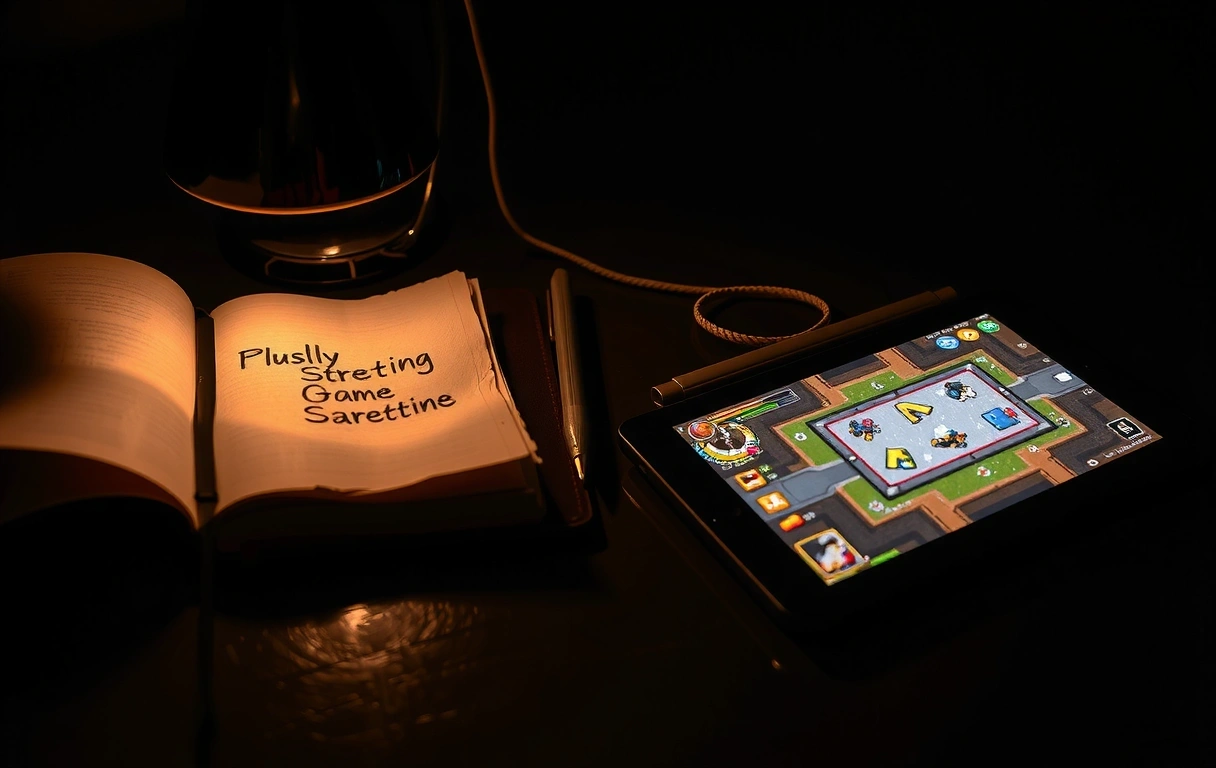
Visual Anchor: The Analog to Digital Leap
The Spark
From Napkin Sketch to Playable Prototype
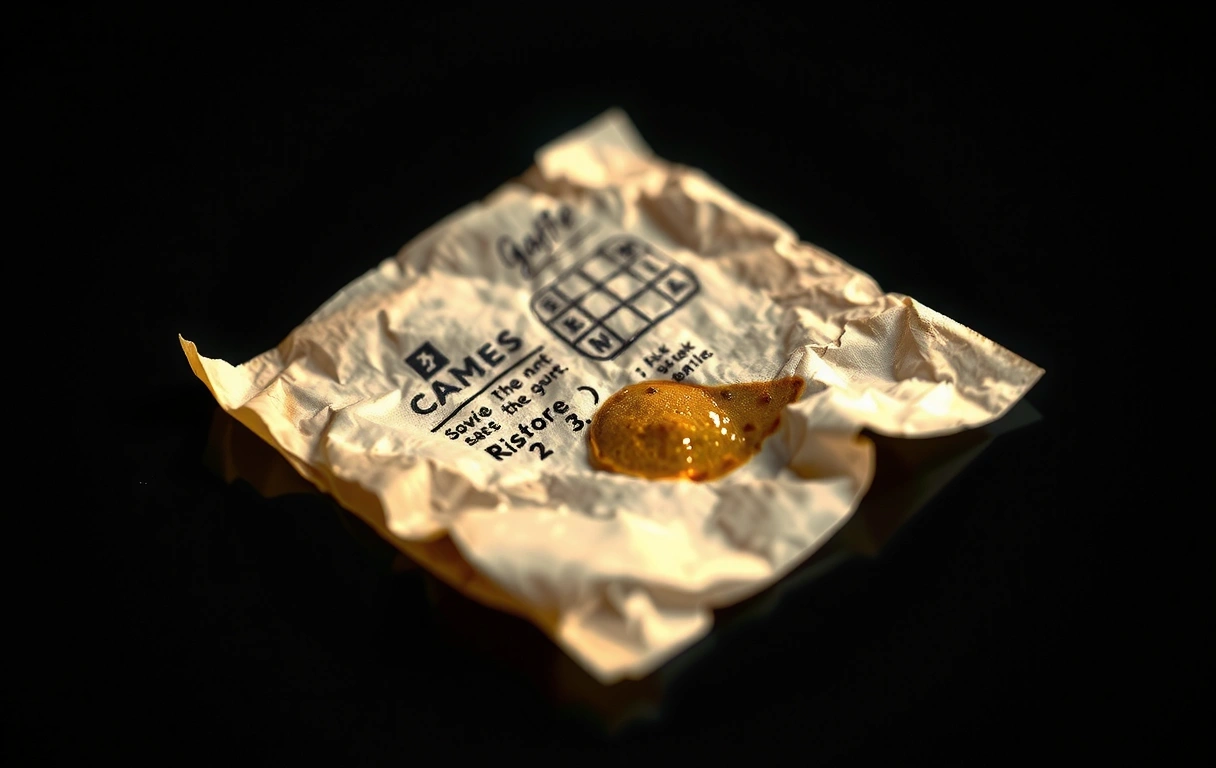
The One-Page Pitch
Every game begins as a single PDF: the core loop, target audience, and one piece of key art. This isn't a 50-page deck; it's a **constraint engine**. If the core mechanic can't be articulated in three sentences, the project doesn't move forward. This document is the studio's North Star and its first gatekeeper.
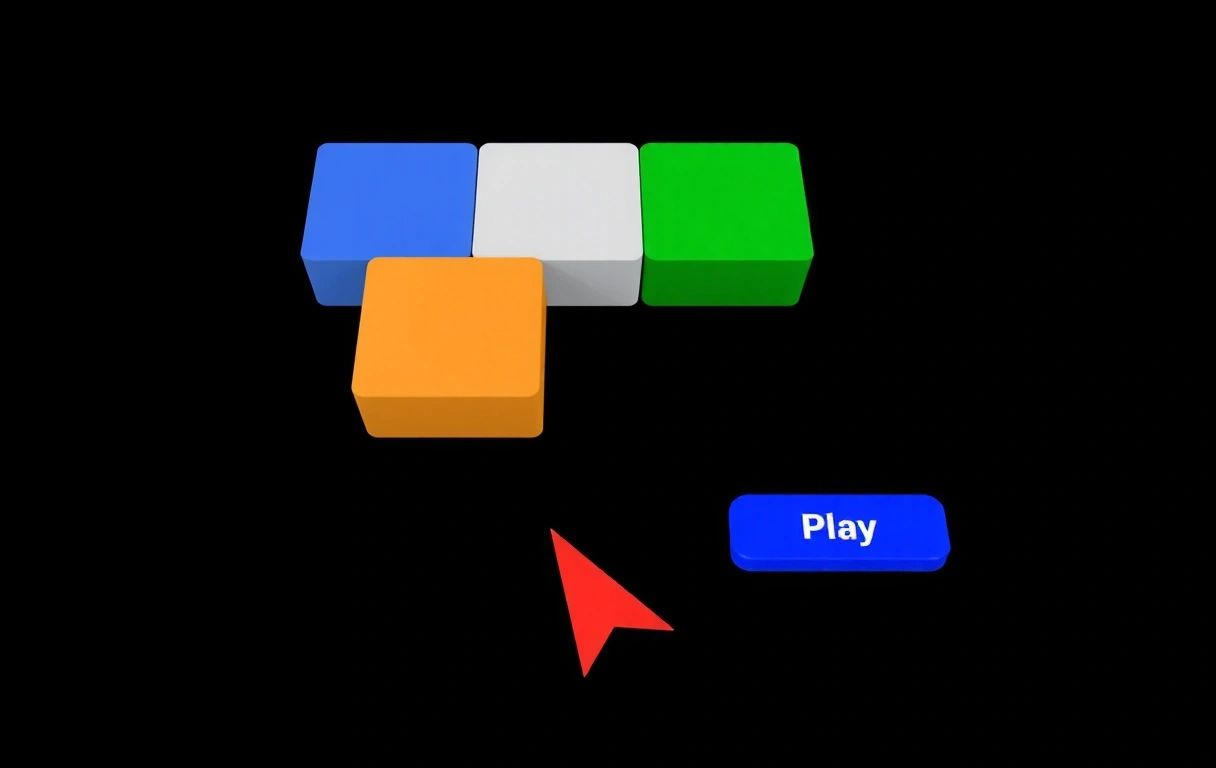
The One-Week Sprint
Using placeholder assets—colored blocks, free sound effects—we build a vertical slice in seven days. The goal isn't beauty; it's to test the "fun factor" of the core mechanic. This is the **"Kill Your Darlings"** phase: beloved features get cut ruthlessly if they distract from the primary loop. The team then alpha-tests the build internally, logging every friction point in a shared spreadsheet.
The Art Forge
Pixels vs. Polygons: Two Pipelines, One Vision
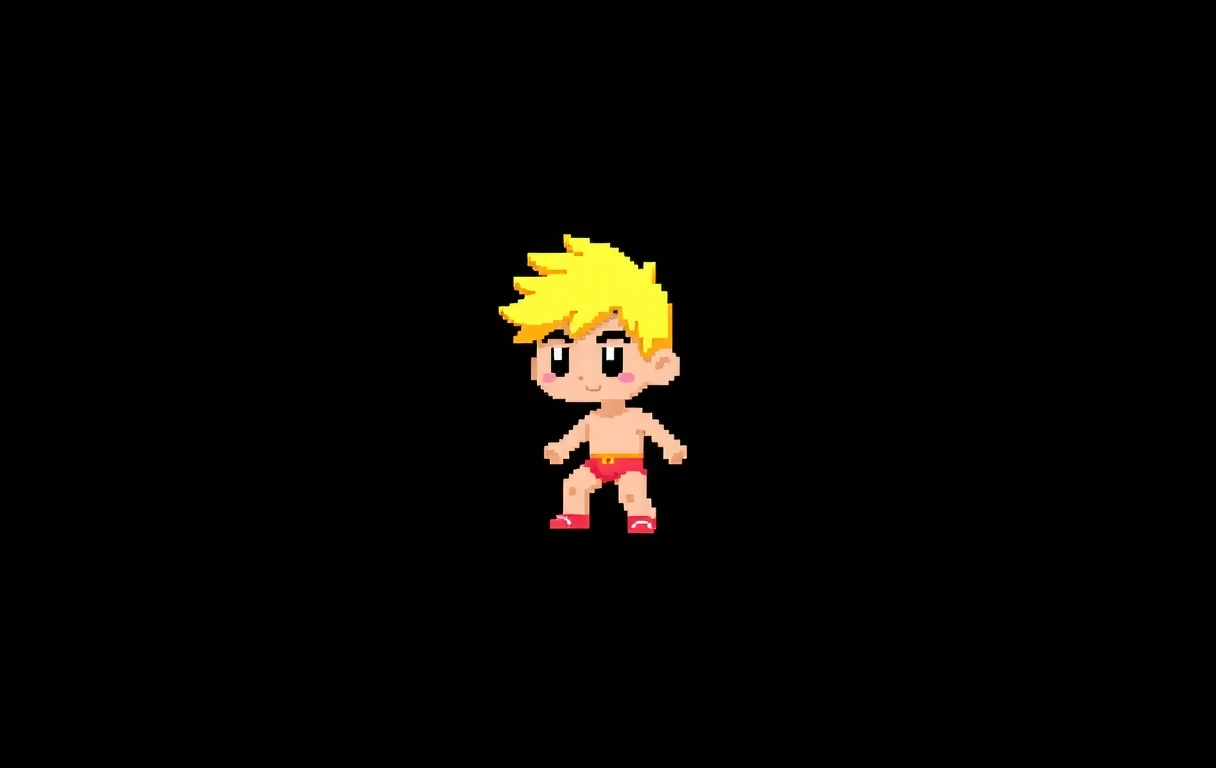
The Indexed Constraint
Artists work within a strict **16-color palette** per asset. This isn't a limitation; it's a creative discipline that ensures visual cohesion and scales performance for low-end devices.
- •Tile-Based: Each level is a grid of pre-defined tiles.
- •Animation: Hand-painted sprite sheets, 2-3 frames per action.
- •Style Guide: "Chunky" shadows, defined outlines, no gradients.
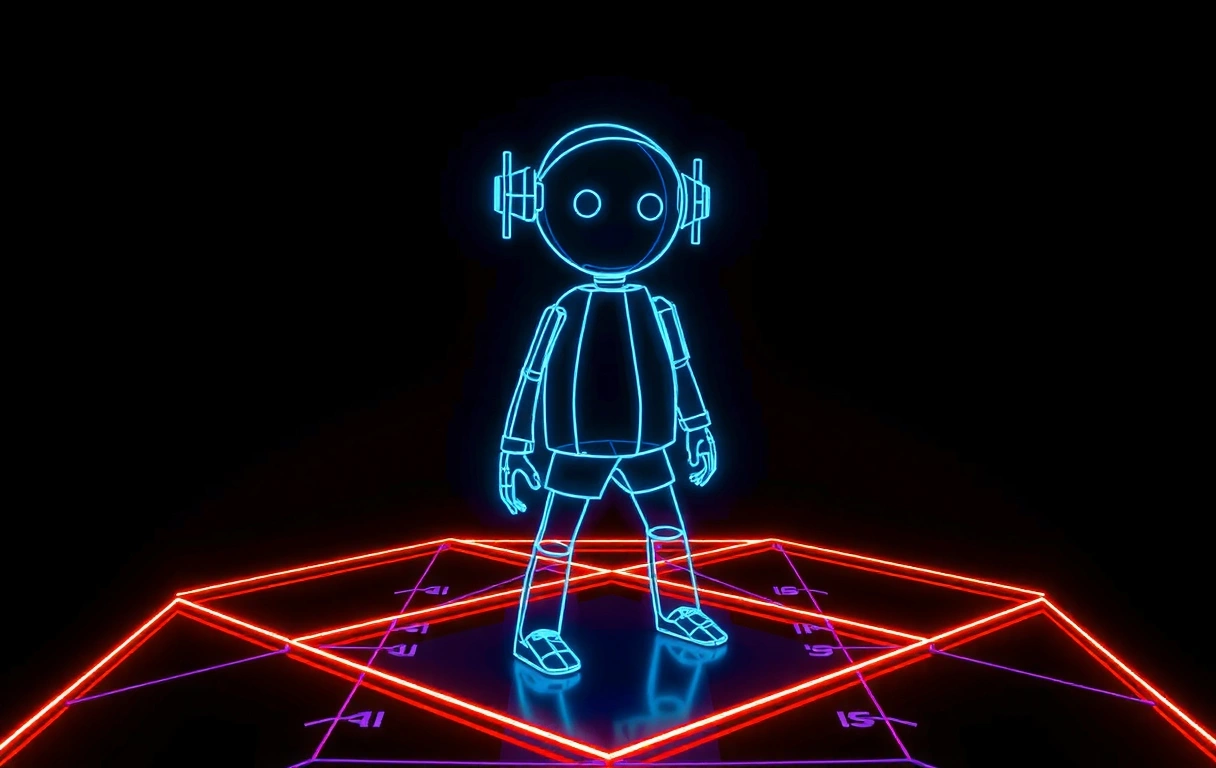
The Ink Line Pass
Achieving the hand-drawn anime aesthetic requires a dedicated step: manually drawing or generating black outlines on 3D models. This "inking" is what separates the studio's style from generic 3D.
- •Silhouette First: Models are built for recognizable shapes.
- •Shader Magic: Custom shaders create the flat, comic-book look.
- •Performance: Lower poly counts than AAA, optimized for clarity.
"Weekly 'style sync' meetings ensure a 3D modeler's understanding of silhouette informs a pixel artist's character design, and vice-versa. The goal is a unified, tactile feel across all projects."
The Sound of Play
Building Audio Worlds from Scratch
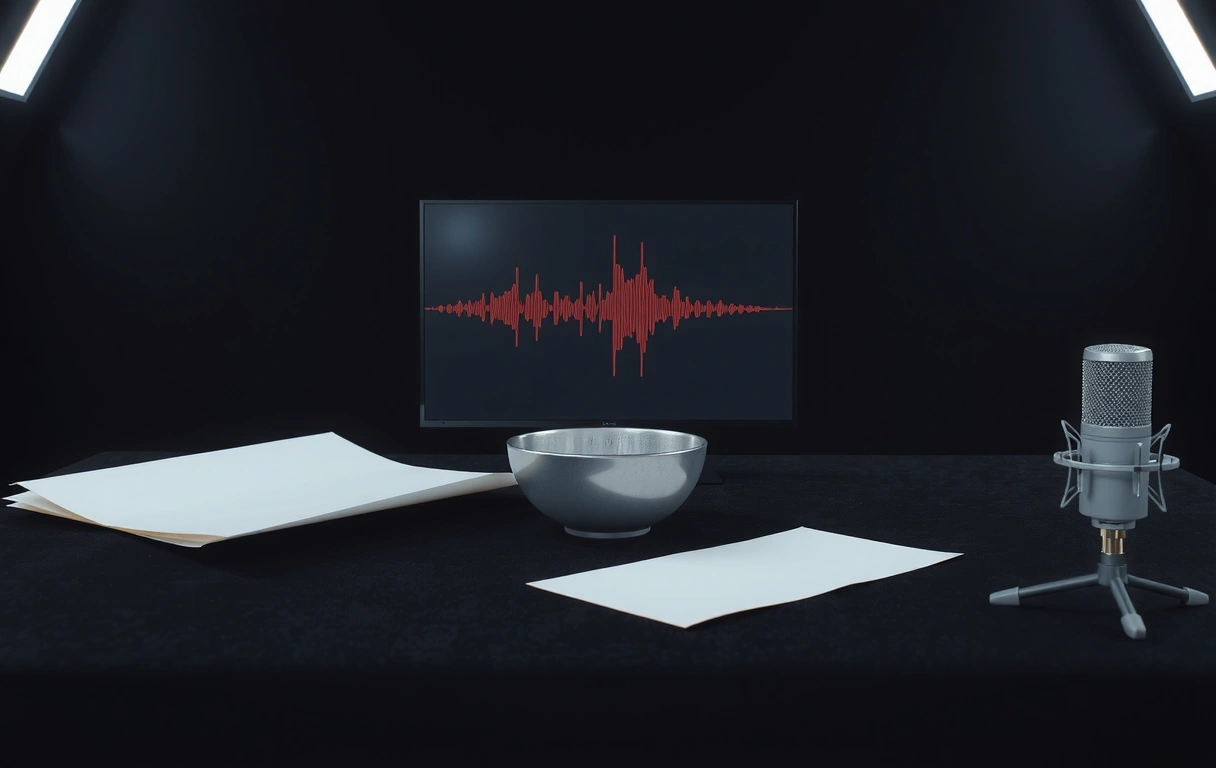
0.5s cut after victory.
Foley for Fantasy
Our audio director maintains a "sonic sketchbook"—a library of recordings from everyday objects. A crumpling paper bag becomes an ancient scroll; striking a specific pipe becomes a magical chime. This is where game worlds get their textural soul.
Platform Consideration
We create separate audio mixes. Bass-heavy mixes for TV soundbars, high-pass filtered for mobile speakers, and a full dynamic range for headphones. One size does not fit all.
Common Sound Design Pitfalls
- 1.Audio Clutter: Mixing too many layers kills punch. We apply the 'Silence Rule' post-impact.
- 2.Platform Ignorance: A mix that sounds great on headphones may be mud on a phone speaker. We test on 3 devices minimum.
- 3.Static Loops: 30-second music loops become grating. We build adaptive systems to keep it fresh.
The Polish Pass
The 10% That Makes 90% of the Difference
Juice It or Lose It
Systematic application of screen shake, particle bursts, and camera zooms. Every button press, hit, or collectable feels tactile and satisfying.
First 60 Seconds
A frame-by-frame review of onboarding. Any moment of hesitation or confusion is flagged and reworked. Player agency is established in under one minute.
Accessibility as Core
Remappable controls, color-blind modes, and text-to-speech are implemented from day one, not tacked on post-launch. It's a design constraint, not a feature.
The Bug Garden
A visual wall of fixed bugs with before/after screenshots. A testament to attention to detail and a tool for onboarding new QA testers.
"Polish isn't the final coat of paint. It's the mechanism that makes the game speak the player's intentions back to them. It's the core mechanic."
— Lead Developer, Brandaxo
The Launch Cycle
Strategy Beyond the Storefront Button
The Soft Launch Sandbox
Releasing in a limited, non-English territory (e.g., Philippines) to gather real-world data on retention and monetization mechanics. This is our data-driven reality check.
The First Week War Room
A dedicated schedule where the core team monitors crash reports, player feedback channels, and server load in real-time. Hotfixes are deployed daily, if needed.
Public Content Roadmap
A living document (Trello, GitHub Projects) showing planned updates, balancing changes, and new features. This is our contract with the community.
A/B Testing Protocol
We create 3-4 icon/shot variants, run micro-campaigns ($50 budget), and measure CTR. The winner isn't always the most 'attractive'—it's the one that communicates the core loop fastest.
Our Development Philosophy
We anchor our process in constraints—palette limits, week-long sprints, platform-specific audio mixes. Constraints aren't barriers; they are the creative focus that separates our work from the generic. We trade endless feature creep for a polished, cohesive experience. The result is not just a game, but a recognizable voice in the market.